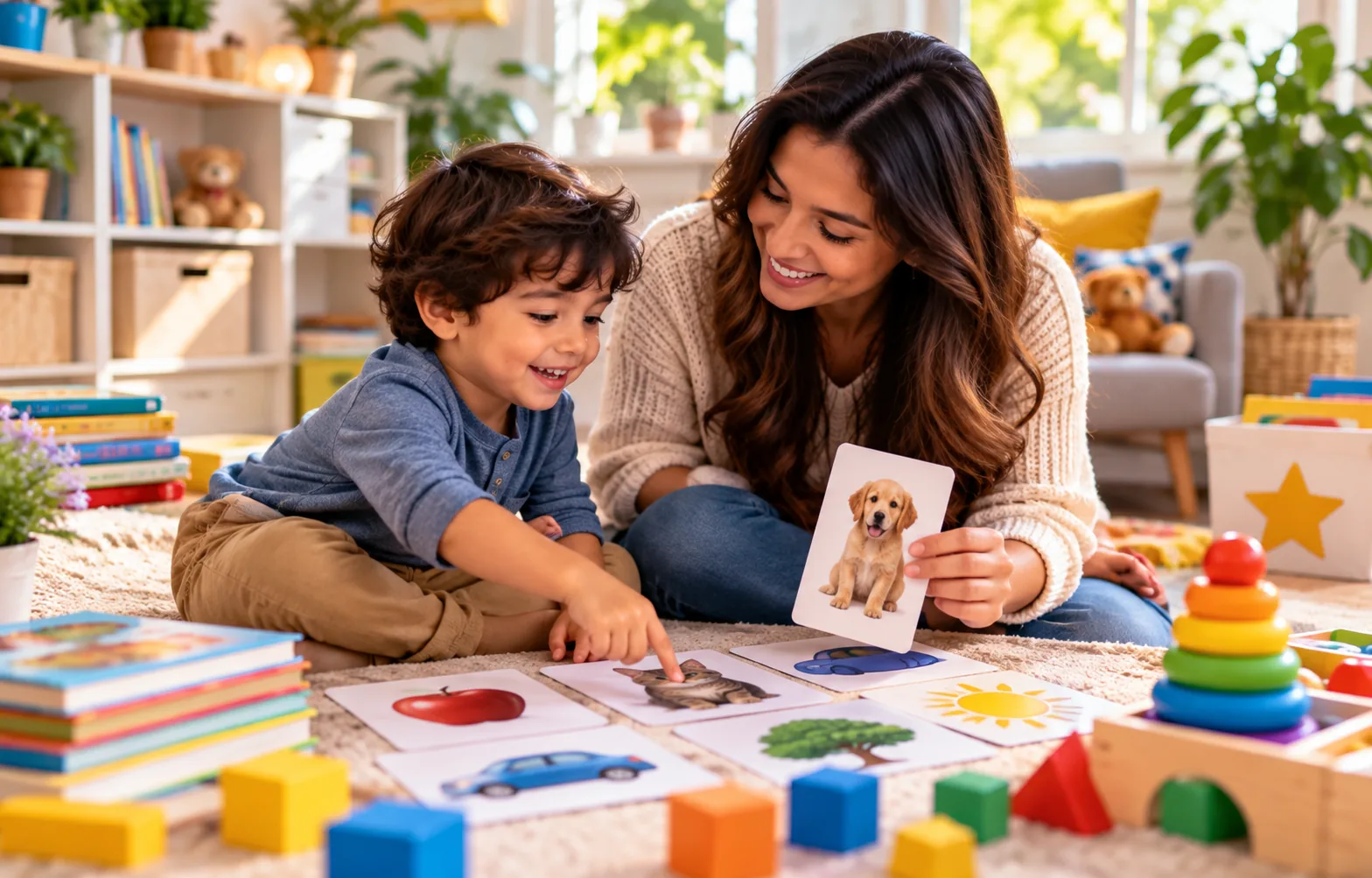
Young children learn differently
One child may quickly remember letters but need more time with numbers. Another may talk confidently about animals but prefer to watch before joining a new activity.
These differences are normal parts of learning. Early childhood is a time for exploration and practice rather than a race to complete skills.
Offer choices
A small choice can help a child feel involved. Instead of announcing a long learning session, offer two simple possibilities.
- Would you like a picture game or a counting game?
- Should we read the animal book or the color book?
- Would you like crayons or building blocks?
Praise the process
Notice effort, observation and persistence instead of focusing only on correct answers. A child who tries again, looks carefully or explains an idea is practicing useful learning habits.
Simple comments such as 'You looked carefully' or 'You tried another way' can keep attention on the learning process.
Know when to stop
If a child becomes tired or frustrated, changing activities can be more productive than pushing through. Learning can continue later in another form.
Keep difficult tasks small. One successful attempt can be a better ending than several frustrated attempts.
Early learning works best when children have room to explore, make mistakes, try again and develop confidence at their own pace.
Related Articles
More practical ideas from LiaFun Learning for playful learning at home.
Simple Ways to Make Learning Fun at Home
Practical ideas that help families turn ordinary moments into playful learning opportunities.
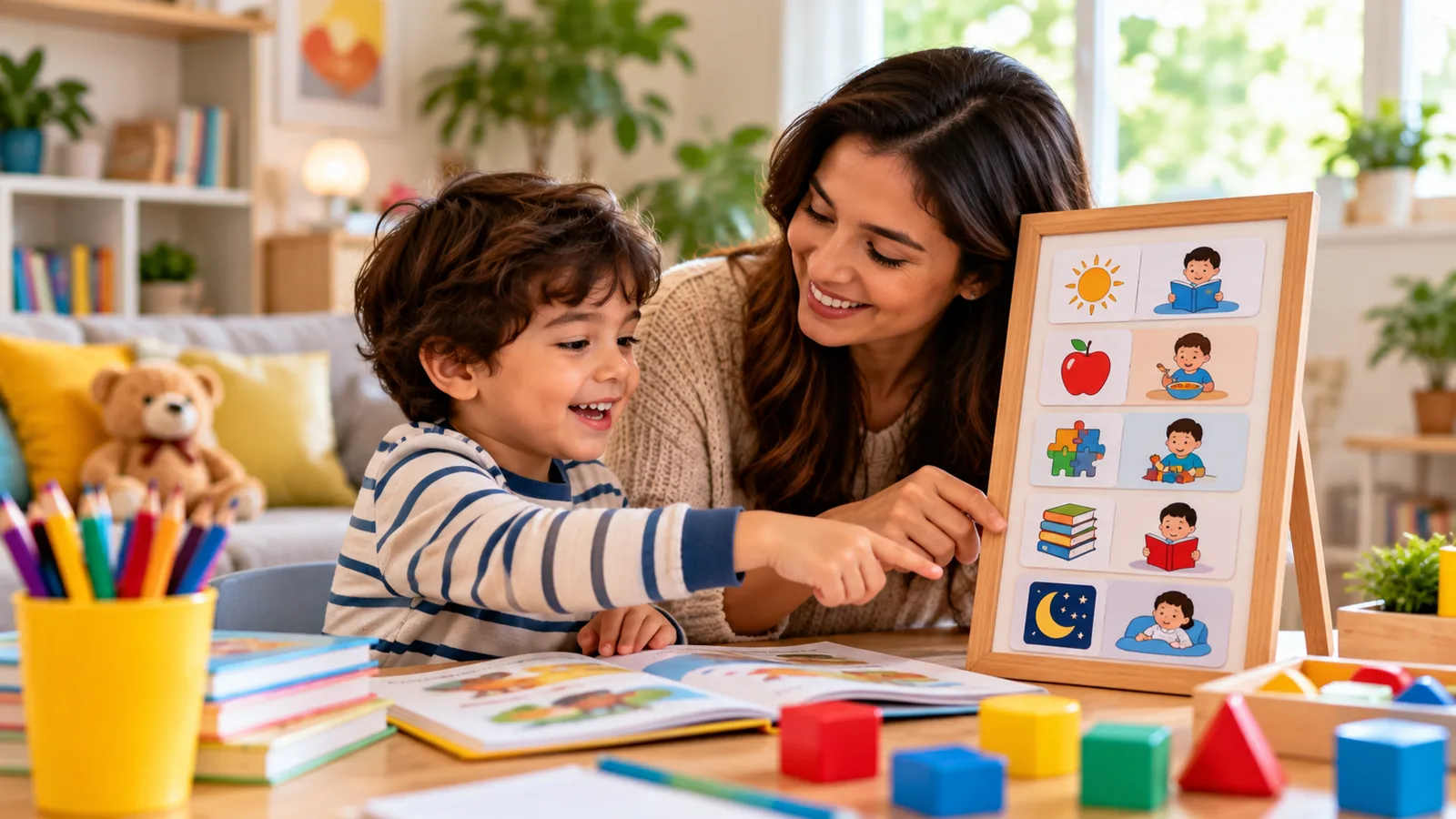
How to Build a Simple Learning Routine for Young Children
Create a flexible learning rhythm that fits naturally into family life without making learning feel like pressure.
Learning Through Everyday Conversations
Use ordinary conversations to build vocabulary, observation and early thinking skills throughout the day.
Keep learning playful
Explore more LiaFun Learning activities designed to make practice simple, visual and enjoyable for young learners.