Everyday conversations are learning moments
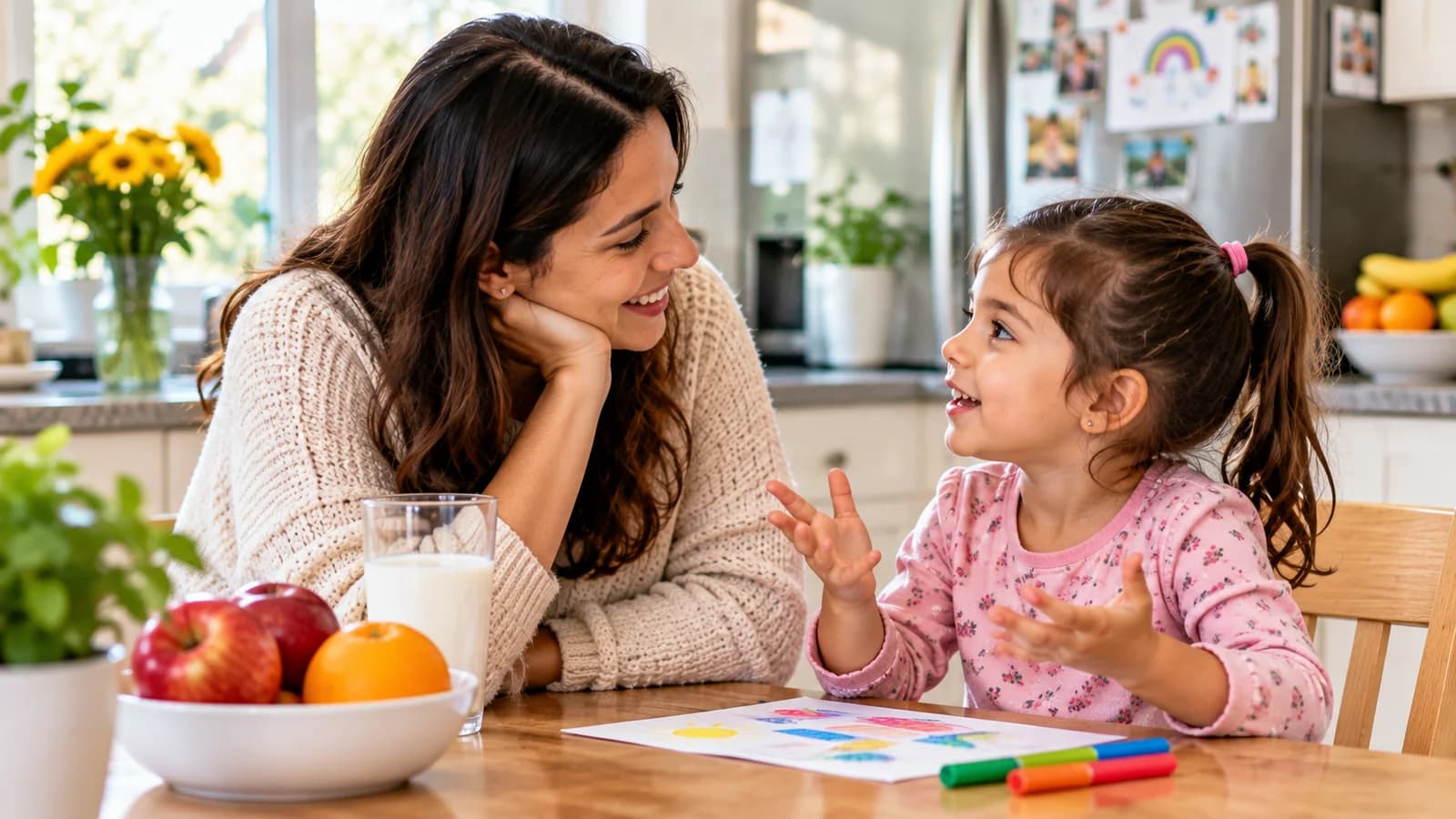
Some of the best opportunities to build a young child's language skills happen during ordinary family moments. Breakfast, grocery shopping, getting dressed, and playing with toys all give children reasons to listen, describe, ask questions, and share ideas.
You do not need special lessons or flashcards for every new word. A warm conversation about something your child already notices can make language practice feel natural and enjoyable.
Start with what your child notices
Imagine your child points to a bird outside the window and says, 'Bird!' You might respond, 'Yes, a little brown bird is sitting on the fence.' You have introduced a few descriptive words while keeping the conversation connected to your child's interest.
Follow their attention rather than turning every observation into a quiz. A child who feels listened to may be more willing to continue talking.
Notice first, describe second, and then leave room for your child to respond.
Ask questions that encourage thinking
Questions with more than one possible answer can encourage children to explain what they see and think. Keep the language simple and match the question to your child's current communication skills.
- 'What do you notice about this picture?'
- 'What do you think might happen next?'
- 'How are these two toys different?'
- 'Which one would you choose, and why?'
- 'Can you tell me about what you built?'
Build vocabulary through natural responses
You can introduce new vocabulary by adding a little detail to what your child says. If your child says, 'Big truck,' you might reply, 'Yes, that is a huge yellow dump truck.'
If your child says, 'Dog running,' you could respond, 'The dog is running quickly across the grass.' There is no need to demand that your child repeat the longer sentence. Hearing useful words in context is valuable practice.
Give children time to answer
Young children sometimes need a little extra time to understand a question and organize a response. After asking, pause and look interested rather than immediately supplying the answer.
Some children communicate with gestures, pointing, single words, or short sentences. Respond to their message and continue the conversation at a comfortable pace.
Try asking one question at a time. Too many questions in a row can make a friendly conversation feel like a test.
Try conversations during daily routines
- At breakfast: 'Which fruit would you like? How does it taste?'
- While getting dressed: 'Can you find your blue socks?'
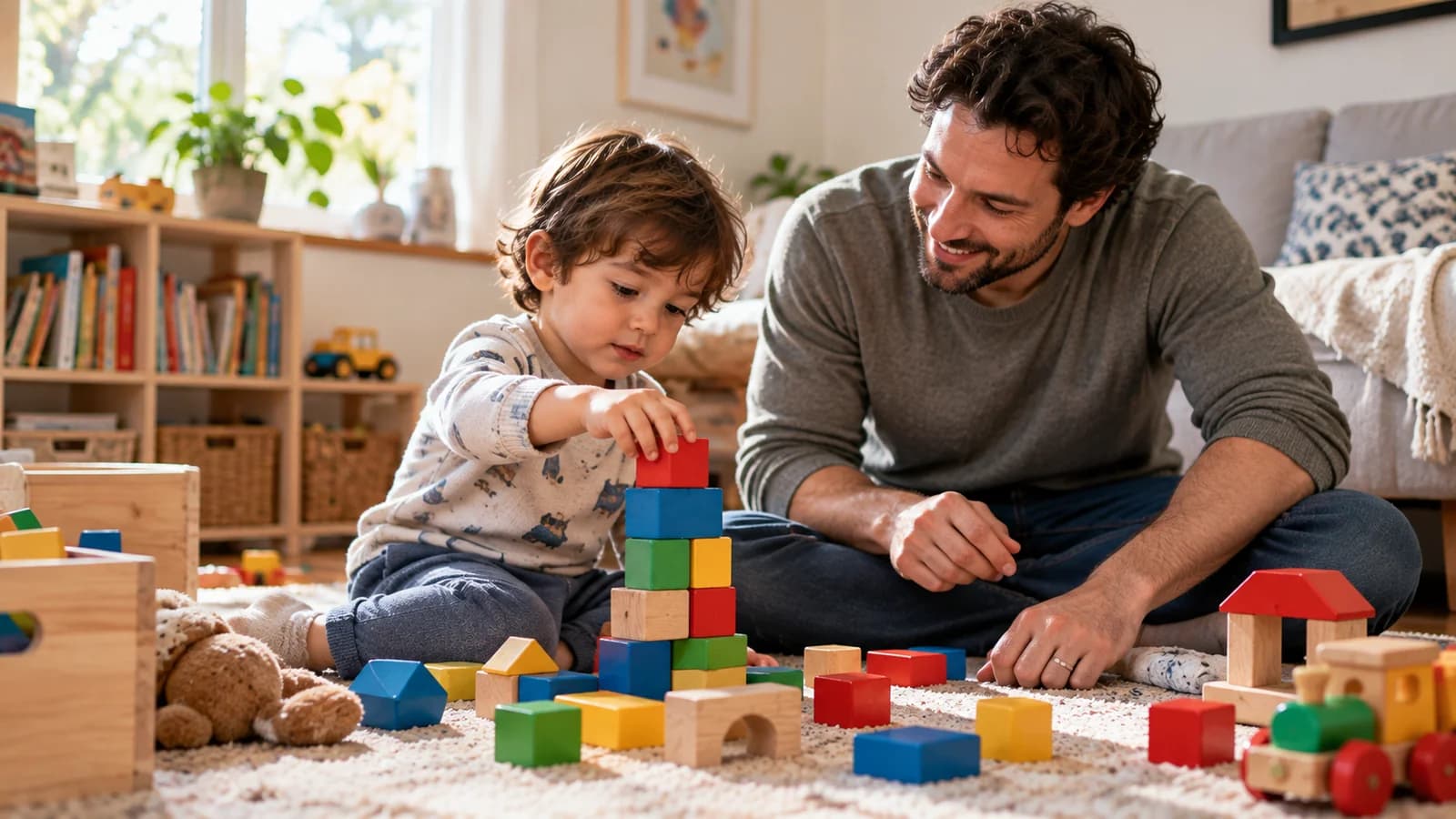
- During play: 'Tell me about the house you built.'
- On a walk: 'What sounds can you hear?'
- At bedtime: 'What was your favorite part of today?'
Make room for storytelling
Pictures, toys, and everyday experiences can become the beginning of a simple story. Ask your child to tell you what a toy animal might do next or describe something funny that happened during the day.
You can take turns adding one idea at a time. The story does not need to be perfect. The goal is to enjoy sharing words, imagination, and attention.
Try this today
Choose one ordinary moment when you and your child are together. Follow something your child notices, add a descriptive word or two, and invite them to share another thought.
Even a brief exchange can create a meaningful opportunity to listen, connect, and practice language.
Everyday conversations help children explore language naturally. By following their interests, adding useful vocabulary, asking thoughtful questions, and listening patiently, families can turn ordinary moments into enjoyable learning opportunities.
Learn Through Play
Try a Related Learning Activity
Continue exploring this topic with a playful activity from LiaFun Learning.
Related Articles
More practical ideas from LiaFun Learning for playful learning at home.
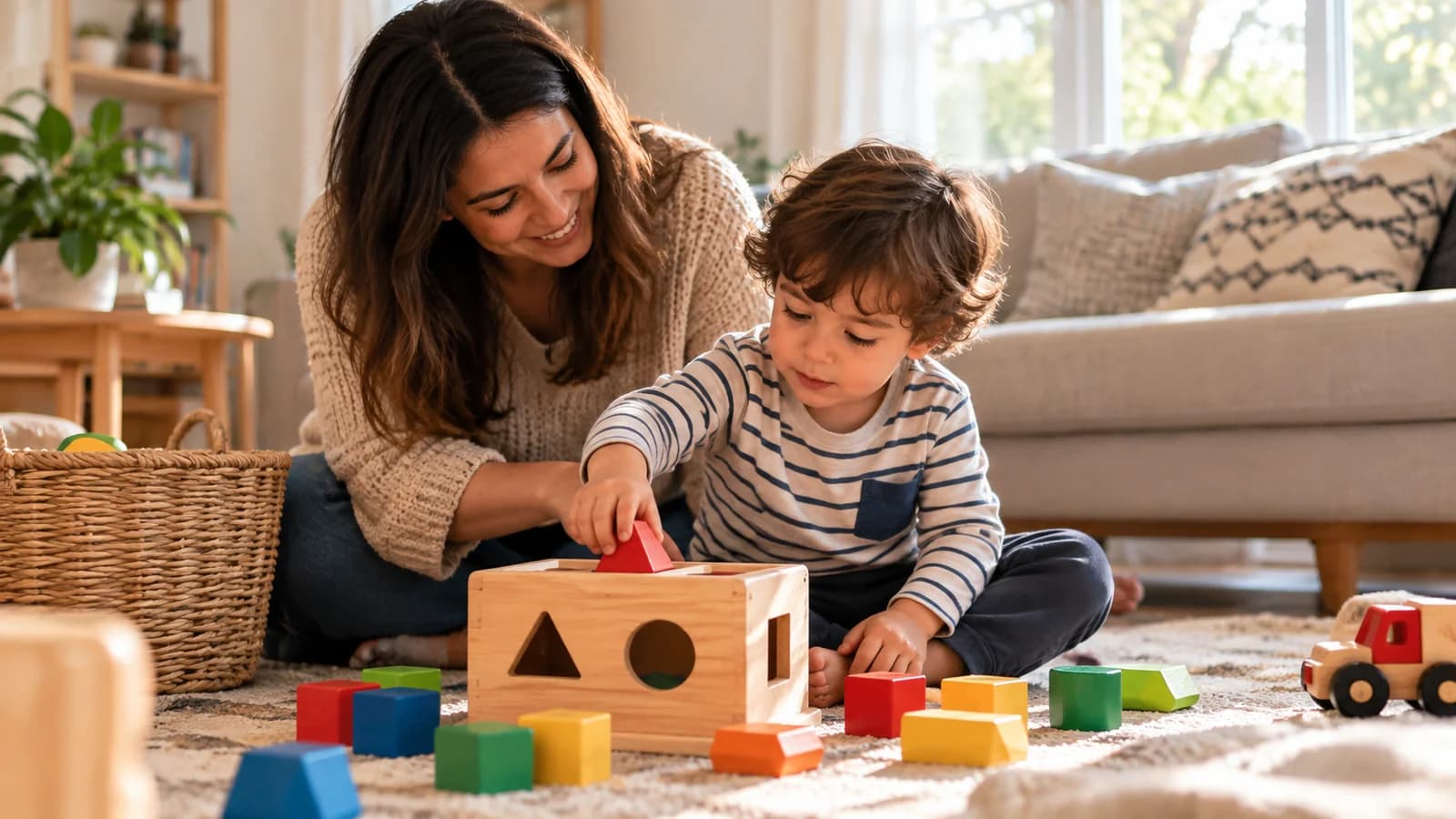
Simple Ways to Make Learning Fun at Home
Practical ideas that help families turn ordinary moments into playful learning opportunities.
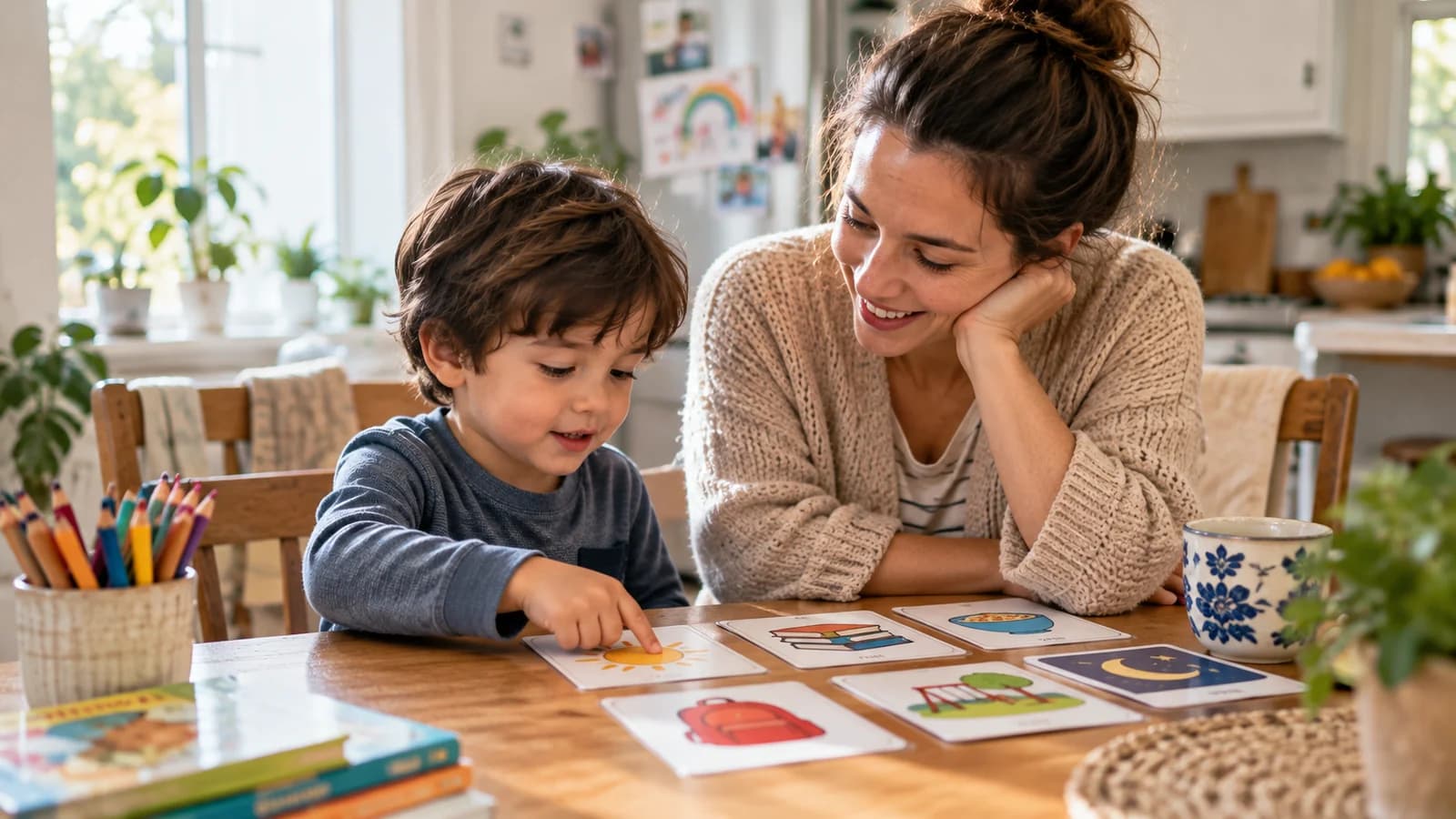
Simple Learning Routine for Young Children
Build a gentle preschool learning routine with morning conversations, afternoon hands-on play and evening stories. Flexible ideas for busy families.
How to Help Preschoolers Learn Without Pressure
Help preschoolers learn without pressure using playful choices, encouragement, gentle practice and breaks that respect each child's pace.
Keep learning playful
Explore more LiaFun Learning activities designed to make practice simple, visual and enjoyable for young learners.