Creative learning begins with imagination
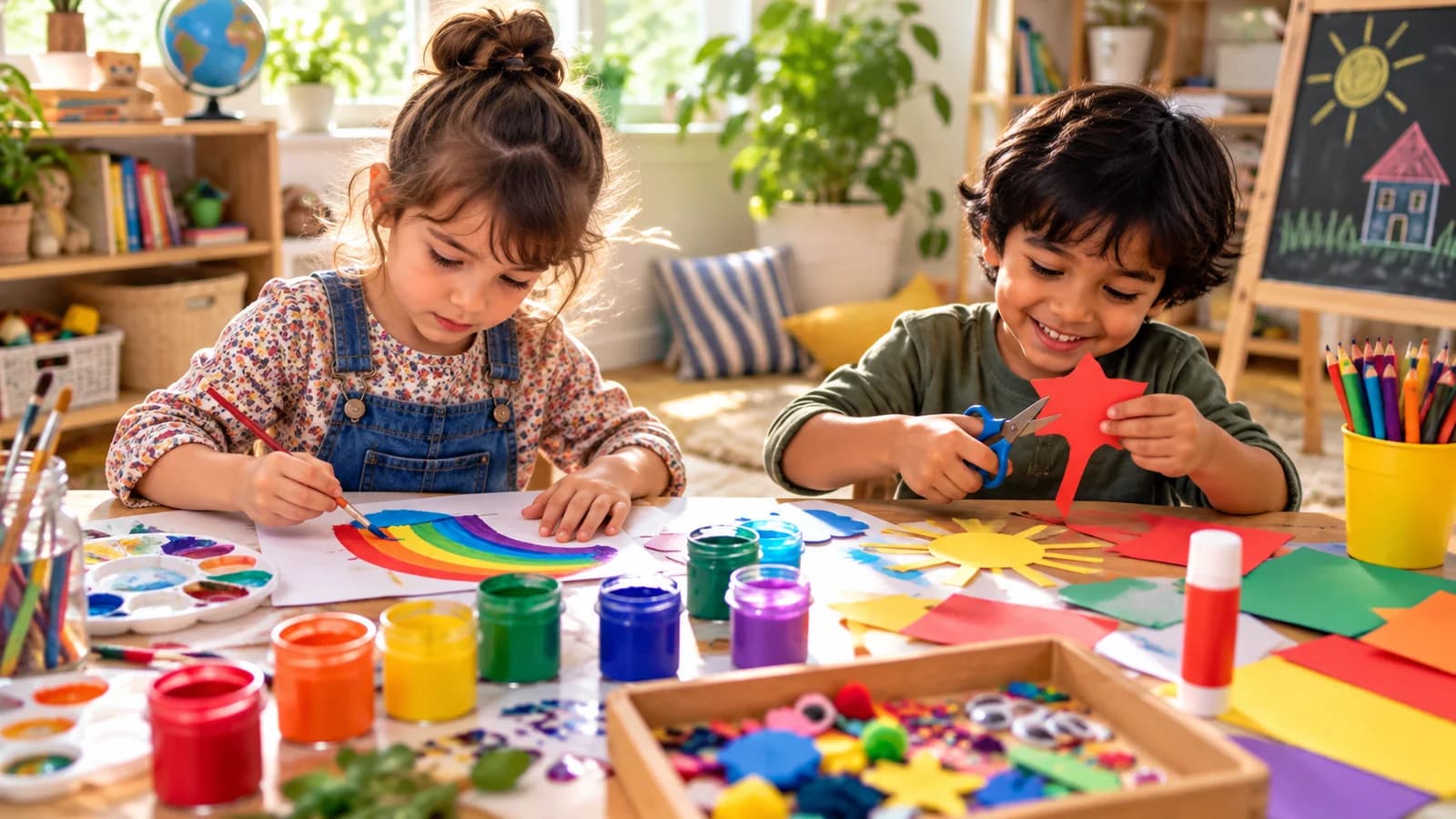
Creative activities give young children opportunities to explore ideas, make choices, and express themselves. Drawing a picture, building a tower, or pretending to run a little store can become a meaningful learning experience.
You do not need expensive craft supplies or a perfectly planned project. Simple materials and a little time together can encourage imagination, conversation, observation, and early problem-solving.
The goal is not to create something that looks perfect. It is to enjoy the process of making, exploring, and sharing ideas.
Activity 1: Draw a picture and tell a story
This simple activity combines drawing, imagination, and language. Invite your child to create a picture of an animal, a favorite place, or something completely imaginary.
- Give your child paper and age-appropriate crayons.
- Invite them to draw anything they like.
- Ask, 'Can you tell me about your picture?'
- Listen as they describe the characters or objects.
- Write down one sentence they say and read it back together.
Avoid correcting how the picture looks. Let your child decide what their drawing represents.
Activity 2: Build a little city
Large building blocks or sturdy cardboard boxes can become houses, roads, bridges, and towers. Invite your child to build a small imaginary neighborhood.
As they build, introduce descriptive words such as tall, short, beside, between, above, and under.
- Start with a simple house or tower.
- Add another building beside it.
- Create a road using a strip of paper.
- Count the buildings together.
- Ask your child to explain what happens in their city.
Use stable, age-appropriate materials and keep large constructions low enough to play with safely.
Activity 3: Create a pretend grocery store
Pretend play lets children practice everyday vocabulary and simple social interactions. A few toy foods, empty clean packages, or picture cards can become a miniature grocery store.
Take turns being the customer and shopkeeper. Your child might choose an apple, describe its color, or count how many items are in the shopping basket.
- Arrange a few pretend products on a table.
- Give each product a simple name.
- Ask for two or three items.
- Count the items together.
- Switch roles and let your child run the store.
Activity 4: Make patterns with colors
Patterns are a playful introduction to early mathematical thinking. Use large colored blocks, paper shapes, or other child-safe materials to create a repeating sequence.
Begin with a simple pattern such as red, blue, red, blue. Invite your child to choose what comes next.
- Create a two-color repeating pattern.
- Point to each color while saying its name.
- Ask your child to continue the pattern.
- Try another combination of colors.
- Let your child invent a pattern for you to follow.
Activity 5: Invent an animal character
Invite your child to imagine a friendly animal character. They can draw it, build it with blocks, or describe it using words.
Ask questions such as, 'Where does your animal live?', 'What does it like to eat?', and 'What adventure will it have today?'
There are no wrong imaginative answers. The activity encourages children to connect ideas and practice storytelling.
Encourage creativity without taking over
Adults sometimes feel tempted to show children the correct way to finish a project. But creative play becomes more meaningful when children have room to experiment and make decisions.
Try asking, 'What would you like to add?' or 'What could we try next?' instead of giving detailed instructions.
If your child asks for help, offer just enough support for them to continue exploring their own idea.
Adapt activities for different interests
Some children enjoy drawing and coloring. Others prefer movement, building, or imaginative storytelling. You can adapt creative activities to match what your child finds interesting.
A child who does not enjoy drawing might tell a story using toy animals. A child who prefers building might create a bridge instead of a city. Both approaches provide valuable opportunities for creative thinking.
Try this today
Choose one activity that matches your child's interests. Gather a few simple materials and spend ten enjoyable minutes creating something together.
At the end, invite your child to explain what they made, what they enjoyed, or what they would like to try next time.
Focus on imagination, effort, and conversation rather than the appearance of the finished project.
Creative activities help young children explore ideas, practice language, notice patterns, and solve simple problems. Drawing, building, pretend play, and storytelling can turn everyday materials into enjoyable learning experiences.
Learn Through Play
Try a Related Learning Activity
Continue exploring this topic with a playful activity from LiaFun Learning.
Related Articles
More practical ideas from LiaFun Learning for playful learning at home.
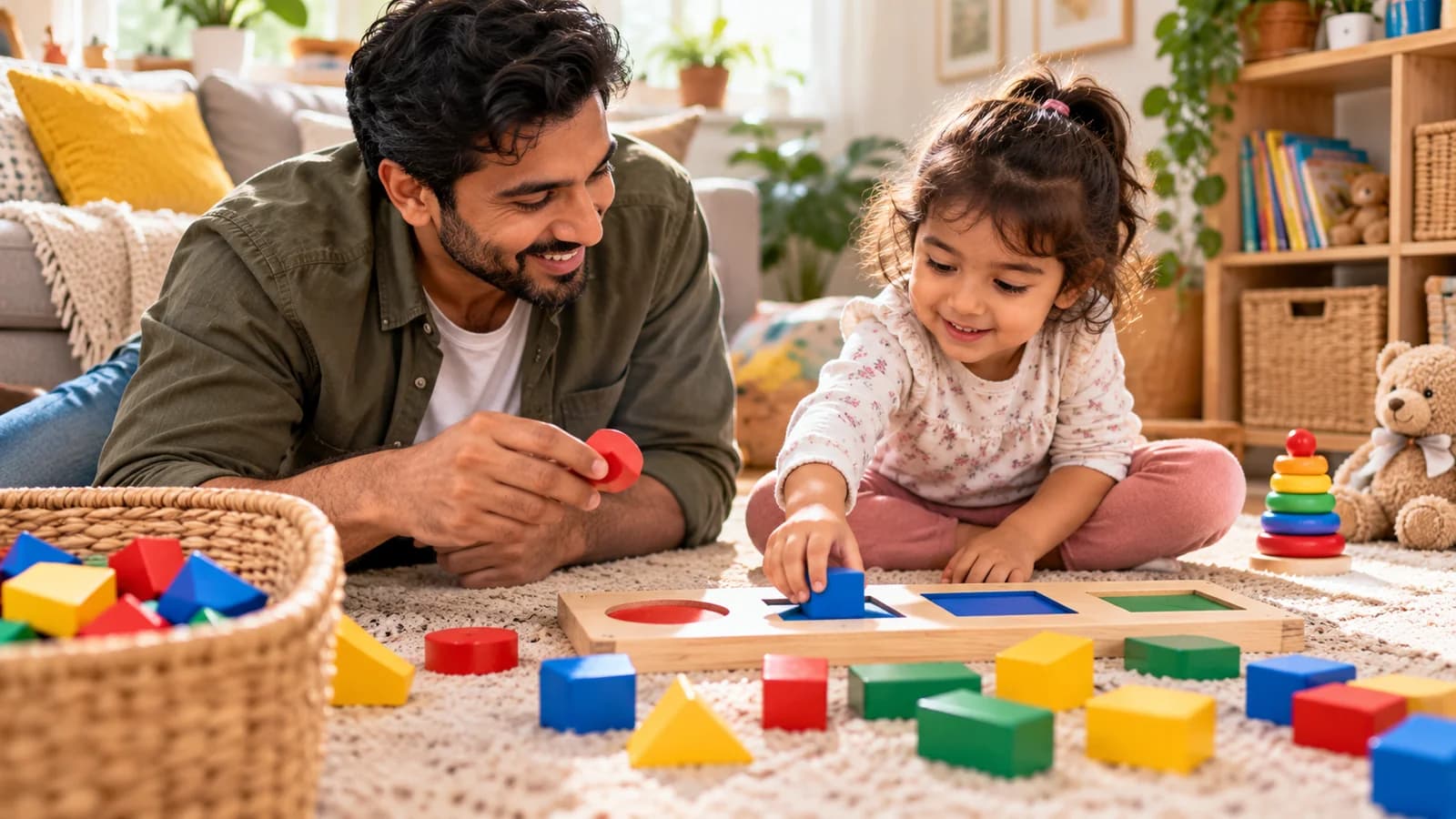
5 Fun Indoor Learning Games for Preschoolers
Discover 5 fun indoor learning games for preschoolers, including color hunts, guessing games, movement patterns, listening activities and shape searches.
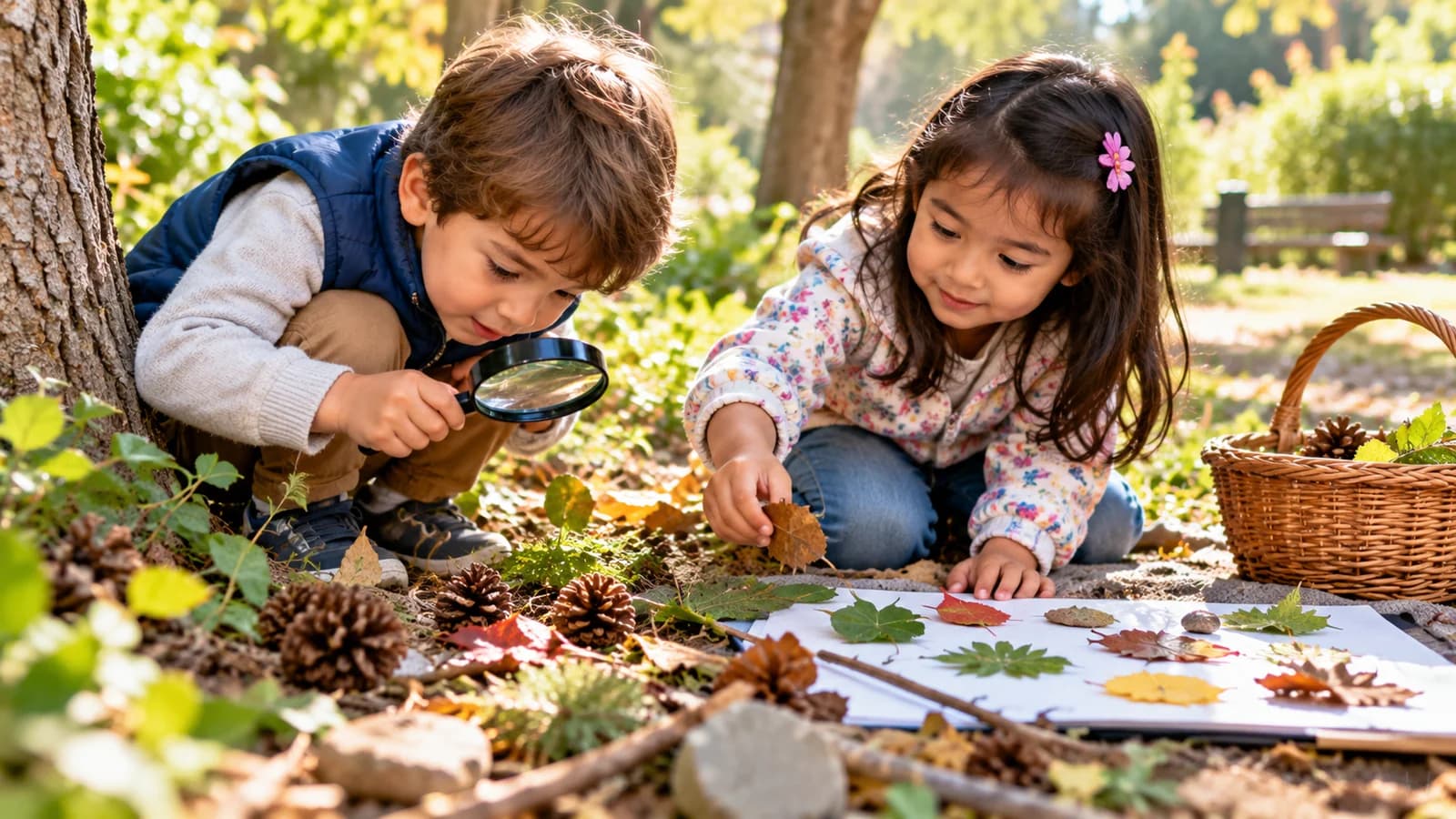
A Simple Nature Hunt for Curious Kids
Explore nature with a playful scavenger hunt that encourages children to notice colors, shapes, sounds, and outdoor discoveries.
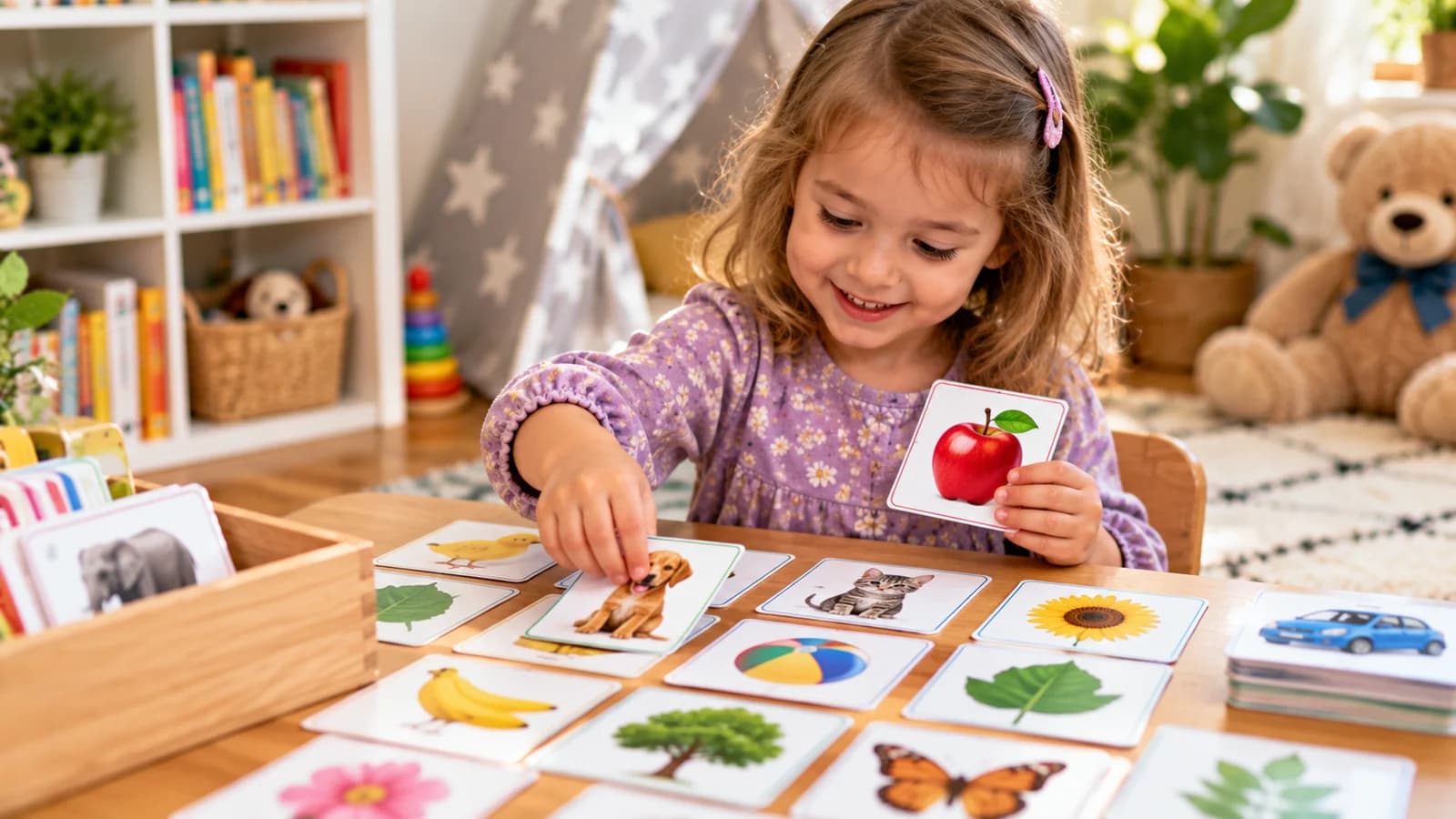
Picture Vocabulary Games for Young Children
Explore simple picture vocabulary games that encourage young children to name, describe, sort, and talk about everyday objects.
Keep learning playful
Explore more LiaFun Learning activities designed to make practice simple, visual and enjoyable for young learners.