Turn indoor time into playful learning
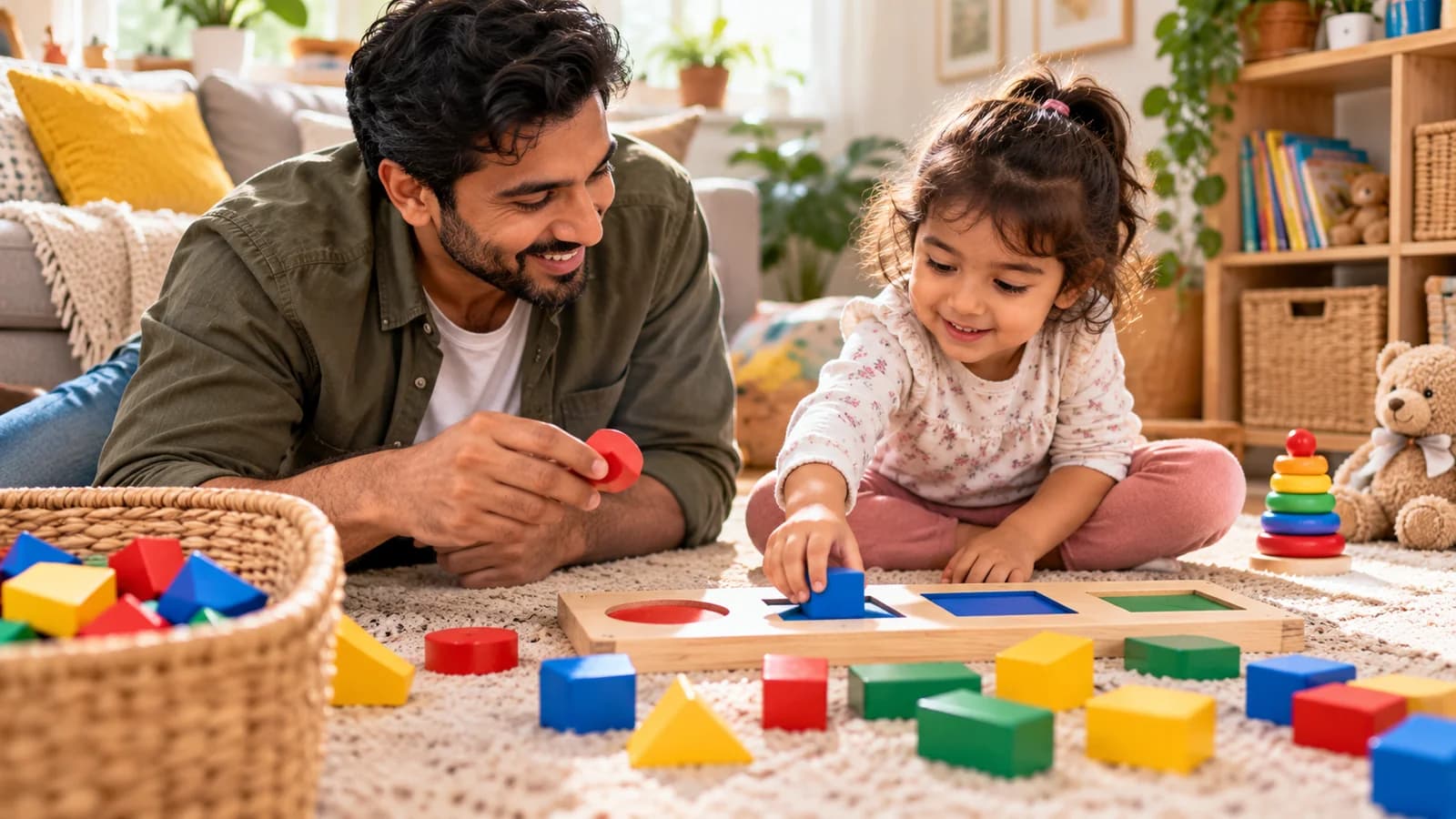
Rainy afternoons, chilly mornings, and quiet days at home can be wonderful opportunities for playful learning. Young children do not always need special toys or worksheets to explore colors, shapes, words, and patterns.
A few simple indoor games can encourage movement, observation, listening, and problem-solving while giving families a chance to enjoy time together.
Choose games that fit your child's interests, energy level, and available space. Even five or ten minutes of relaxed play can be a meaningful experience.
Game 1: Indoor Color Hunt
Turn your living room or play area into a color discovery game. Choose one familiar color and invite your child to find objects that match.
For example, say, 'Let's find three blue things!' Your child might point to a blue pillow, a toy, or a picture in a book.
- Choose one color to explore.
- Invite your child to find matching objects.
- Count the discoveries together.
- Talk about their names and uses.
- Choose another color for the next round.
Children can point to objects instead of collecting them. This keeps the activity simple and avoids moving heavy or unsafe household items.
Game 2: Mystery Object Guessing Game
This game encourages children to listen carefully, notice descriptive words, and make guesses using clues.
Choose a familiar object without showing it to your child. Give one clue at a time, beginning with an easy description.
- Choose a familiar object, such as a spoon or teddy bear.
- Give a clue about its color, shape, or use.
- Let your child guess what it might be.
- Offer another clue if needed.
- Switch roles and let your child describe an object.
Start with objects your child knows well. The goal is enjoyable thinking and conversation, not guessing correctly on the first try.
Game 3: Copy My Movement Pattern
Movement patterns combine physical activity with listening and early sequencing skills. Start with two simple actions, such as clap, clap, and invite your child to copy them.
When that becomes familiar, try a sequence such as clap, tap knees, clap, tap knees.
- Demonstrate a short movement pattern.
- Invite your child to copy it.
- Repeat the same sequence together.
- Add one new movement when ready.
- Let your child invent a pattern for you.
Choose gentle movements that suit your child's abilities. Keep the play area clear and avoid jumping or running in cramped spaces.
Game 4: Listen and Find
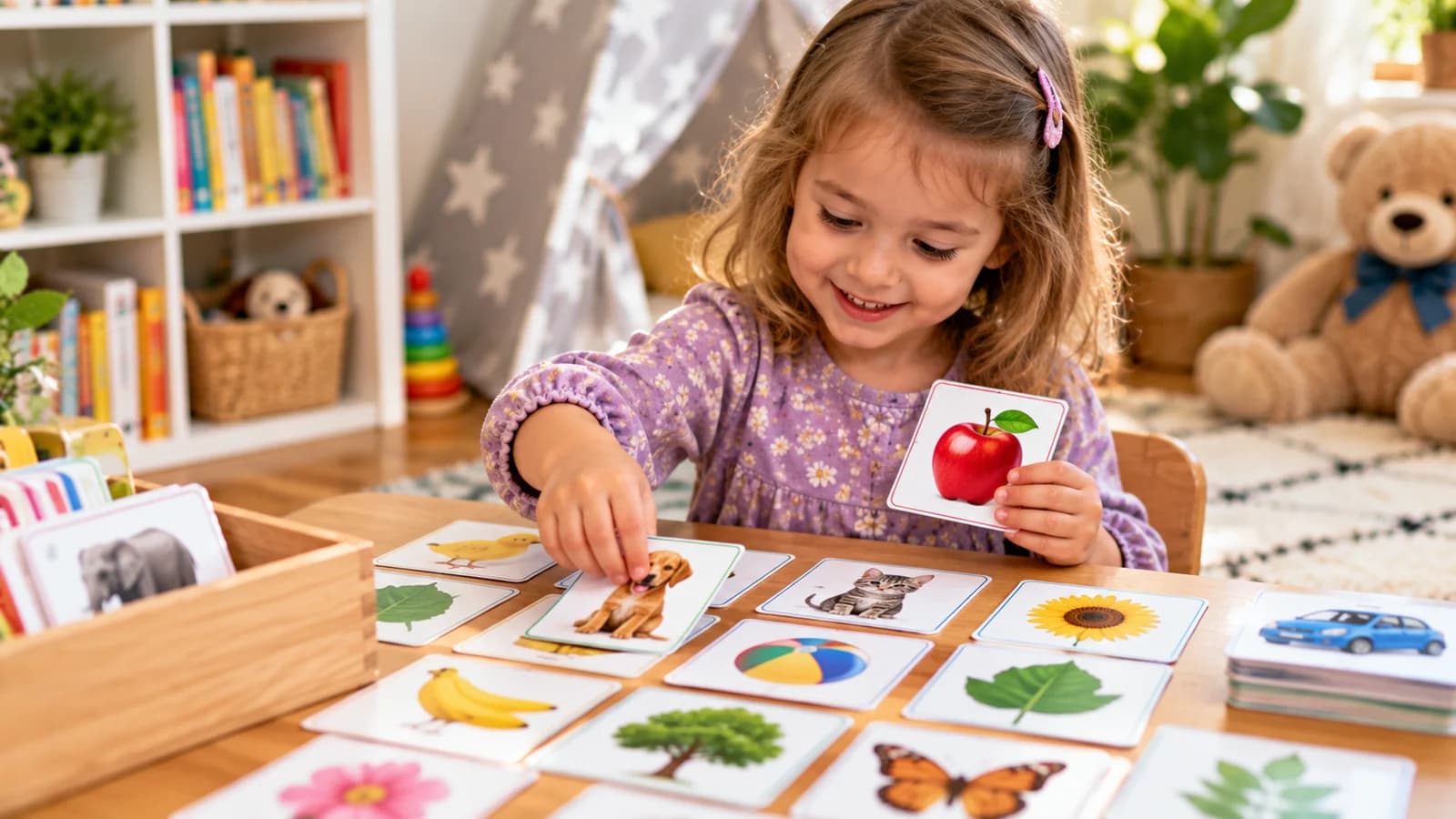
This simple listening game helps children connect spoken words with familiar objects. Place a few large, child-safe toys or picture cards where your child can see them.
Give a short description and invite your child to point to the matching object.
- Arrange three familiar toys or pictures.
- Say, 'Find the animal that says meow.'
- Let your child point to the matching picture.
- Try another clue about color, shape, or purpose.
- Invite your child to create a clue for you.
Game 5: Shape Detective
Shapes appear throughout the home. A round plate, rectangular book, or square picture can become part of an observation game.
Invite your child to look around and notice familiar shapes. Begin with one shape at a time, and use pictures when real objects are difficult to identify.
- Choose a shape, such as a circle.
- Look for safe objects with a similar shape.
- Describe what you notice.
- Compare two objects.
- Try another shape when your child is ready.
Objects do not always match perfect geometric shapes. Use the activity to encourage observation rather than insist on exact answers.
Adapt the games for different ages and interests
Younger children may enjoy pointing, copying a single movement, or finding one familiar color. Children who are ready for more challenge can follow longer clues, create patterns, or explain their choices.
If your child prefers quiet activities, focus on picture clues and shape finding. If they enjoy movement, try gentle action patterns or a color hunt.
There is no need to complete every game in one day. Choose one or two activities and return to the others whenever your family feels ready.
Create a simple indoor game basket
Keep a few large picture cards, washable crayons, and age-appropriate toys in a small basket. Having familiar materials ready can make it easier to begin a short learning game without much preparation.
Change the games occasionally, but keep a few favorites. Children often enjoy repeating activities they already understand.
Try this today
Choose one indoor game that matches your child's mood. Spend a few minutes playing together, and notice which part of the activity brings the most interest or conversation.
Finish while the experience still feels enjoyable. You can always return to the same game another day.
Keep games cooperative and pressure-free. Encourage curiosity, participation, and playful exploration instead of focusing on winning.
Simple indoor learning games can turn everyday family time into opportunities for movement, observation, listening, vocabulary, and early thinking. With familiar objects and flexible play, children can learn while enjoying time at home.
Learn Through Play
Try a Related Learning Activity
Continue exploring this topic with a playful activity from LiaFun Learning.
Related Articles
More practical ideas from LiaFun Learning for playful learning at home.
5 Creative Activities for Preschoolers at Home
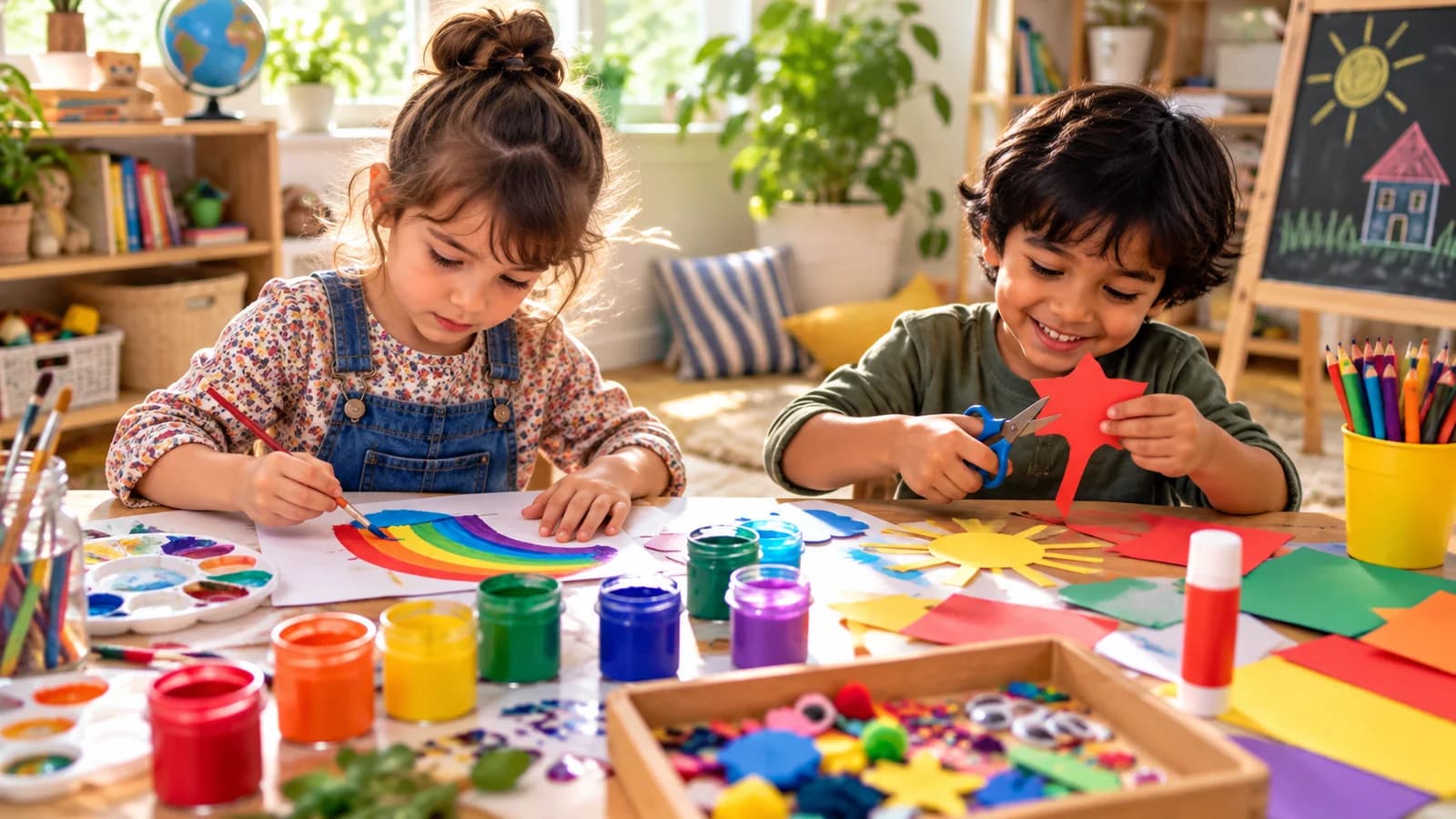
Explore 5 creative activities for preschoolers, including drawing stories, building a mini city, pretend shopping, colorful patterns and imaginary animals.
A Simple Nature Hunt for Curious Kids
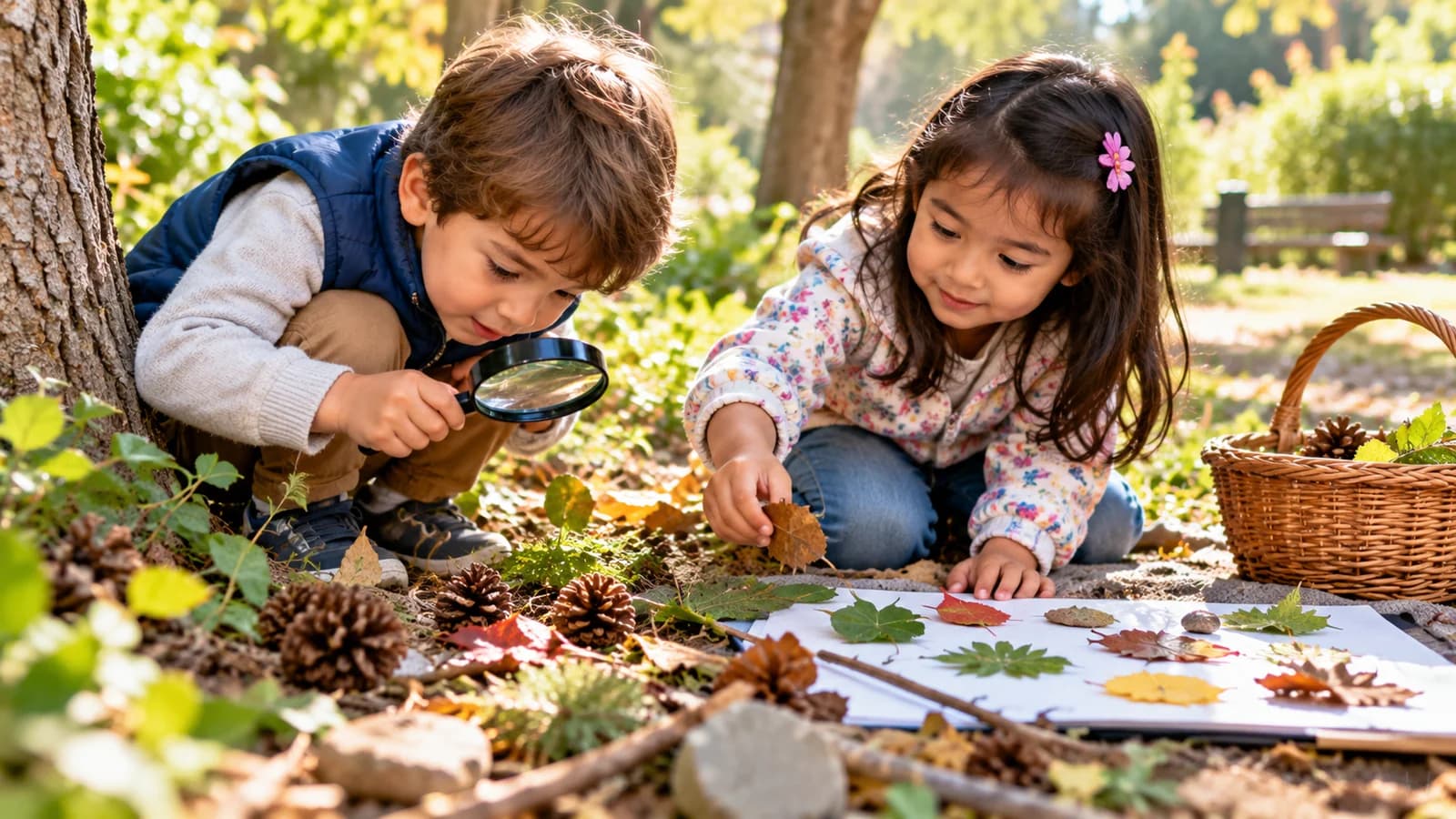
Explore nature with a playful scavenger hunt that encourages children to notice colors, shapes, sounds, and outdoor discoveries.
Picture Vocabulary Games for Young Children
Explore simple picture vocabulary games that encourage young children to name, describe, sort, and talk about everyday objects.
Keep learning playful
Explore more LiaFun Learning activities designed to make practice simple, visual and enjoyable for young learners.