Make learning part of family life
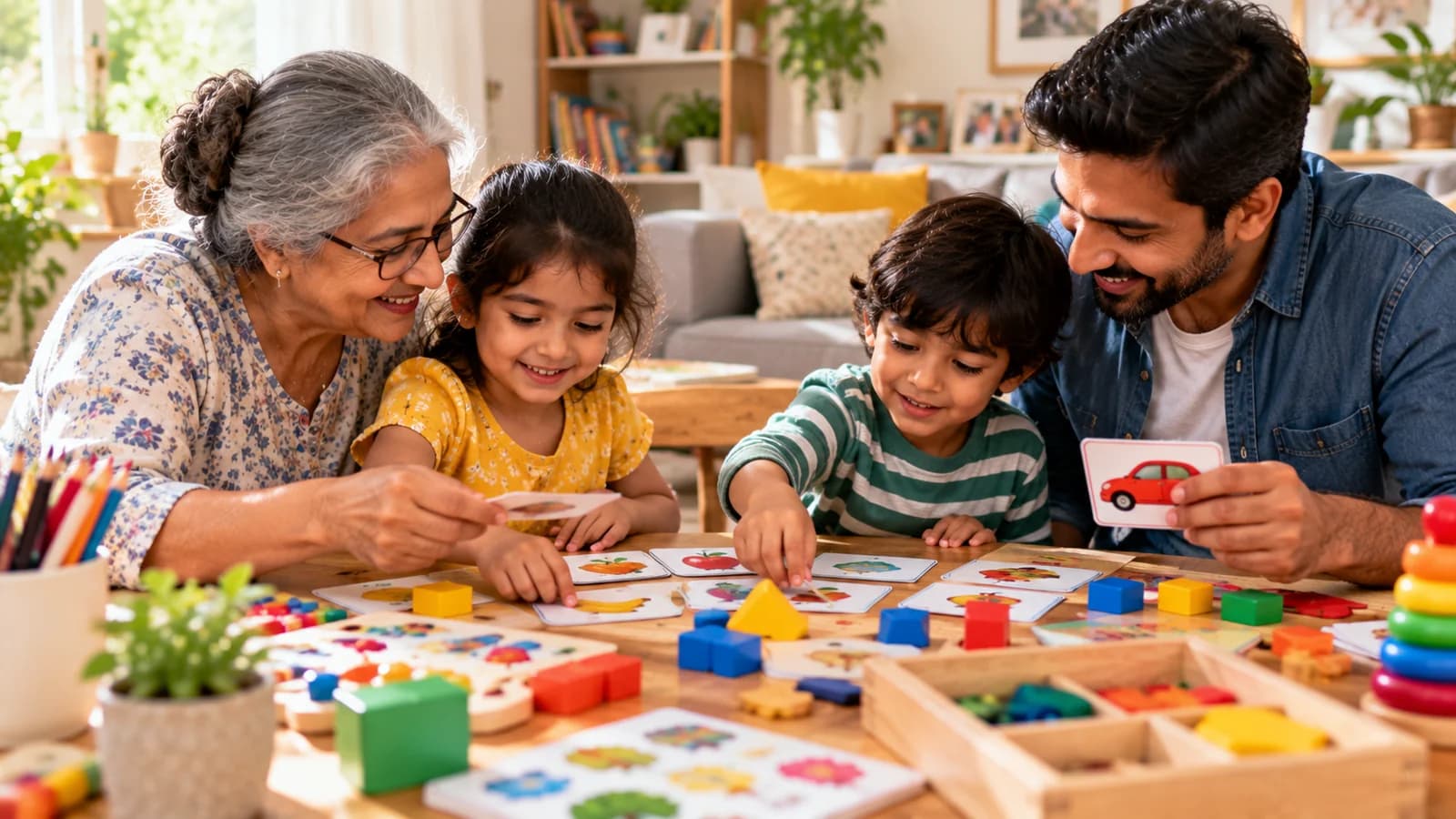
Some of the most memorable learning moments happen during ordinary family routines. A conversation at breakfast, a story before bedtime, or a few minutes spent organizing toys can invite children to think, ask questions, and share ideas.
Family learning does not require a formal lesson plan. When adults participate with curiosity and patience, simple activities can become opportunities for connection and discovery.
Choose one activity that fits your family's schedule. A short, enjoyable experience is often more useful than a long activity that everyone feels pressured to finish.
Activity 1: Read a picture book together
Choose a picture book your child enjoys and find a comfortable place to read together. Pause occasionally to talk about the illustrations, characters, or events.
Invite your child to point to a favorite picture, describe what is happening, or guess what might come next. You can also connect the story to familiar experiences.
Children do not need to answer every question. Shared reading can be enjoyable simply because you are spending time with a story together.
- Let your child choose between two books.
- Notice an interesting picture together.
- Ask what a character might be feeling.
- Invite your child to tell part of the story in their own words.
If your child wants to hear the same book again, enjoy the repetition. Familiar stories can create new opportunities for conversation.
Activity 2: Count during everyday routines
Everyday routines provide natural opportunities to notice numbers and quantities. Count plates while setting the table, socks while sorting laundry, or steps as you walk across a room.
Begin with a small number of objects. Touch or point to each item as you count so the spoken number matches one object.
Ask simple questions such as 'Do we have enough spoons for everyone?' or 'How many blocks are left on the floor?'
- Count napkins before a family meal.
- Match one cup to each place at the table.
- Compare two small groups of toys.
- Notice which basket has more or fewer items.
Use safe, age-appropriate objects and supervise children around small items.
Activity 3: Create a family story together
Start a story with a simple sentence such as 'One morning, a little bird found a colorful box.' Invite another family member to add what happens next.
Continue taking turns. Younger children can contribute a word, a sound, a gesture, or a short idea.
The story might become funny, surprising, or completely unrealistic. There is no need to correct the imagination.
- Choose a character.
- Decide where the story begins.
- Let each person add one idea.
- Ask what might happen next.
- Give the story a happy, funny, or surprising ending.
Activity 4: Turn household tasks into teamwork
Simple household responsibilities can encourage cooperation and practical thinking. Invite your child to help sort clean towels by size, pair socks, or organize books on a shelf.
Talk about what you are doing together. For example, ask which towel is larger or which two socks belong in the same pair.
Give children manageable choices and responsibilities. The activity should feel like contributing to family life rather than completing a test.
Choose safe tasks without sharp tools, hot surfaces, cleaning chemicals, or other hazards.
Activity 5: Explore colors and shapes at home
Look around a familiar room and invite your child to notice colors and shapes. A clock might be round, a book might be rectangular, and a cushion might have a colorful pattern.
You can play a simple search game: 'Can you find something blue?' or 'Can you see a shape with three sides?'
Encourage your child to describe what they find. If an object has more than one shape or color, talk about the different possibilities.
Activity 6: Build something together
Use large building blocks, cardboard boxes, or other safe materials to create a simple structure. It might be a tower, a pretend house, or a bridge for a toy.
Ask your child what they want to build and how the pieces might fit together. If the structure falls, explore what could make it more stable.
Building together offers opportunities to discuss size, position, balance, and problem-solving without turning play into a formal lesson.
- Plan what to build.
- Choose suitable materials.
- Try one design together.
- Notice what works.
- Make a small change and try again.
Activity 7: Move and follow directions
A simple movement game can combine listening, vocabulary, and active play. Give one playful instruction at a time, such as 'Take two steps forward' or 'Reach your arms up high.'
Take turns being the leader. Your child may enjoy inventing a movement for the rest of the family to follow.
Choose movements that suit each participant's abilities and the available space.
Clear the play area of obstacles and avoid movements that could cause falls or collisions.
Activity 8: Talk about your day
A quiet conversation during dinner or before bedtime can become a meaningful family learning routine.
Invite each person to share something interesting, something surprising, or something they enjoyed that day.
Listen carefully and ask gentle follow-up questions. Children may express themselves through short sentences, gestures, or drawings.
- 'What made you smile today?'
- 'Did you notice something new?'
- 'What was your favorite part of the day?'
- 'Is there something you would like to try tomorrow?'
Adapt activities to your child's interests
Different children enjoy different kinds of participation. Some prefer movement and building, while others enjoy stories, pictures, or quiet conversations.
You can simplify an activity by offering fewer choices or using familiar objects. For children ready for more challenge, invite them to explain their ideas, compare possibilities, or suggest a new rule.
Allow children to take breaks and participate in ways that feel comfortable. The purpose is shared discovery, not measuring performance.
Create a realistic family learning routine
You do not need to complete every activity in one day. Choose one small idea and connect it to a routine your family already enjoys.
For example, count plates before dinner on Monday, read a picture book together on Tuesday, and make up a story on Wednesday.
A flexible approach leaves room for busy days, changing interests, and spontaneous discoveries.
Start with five to ten minutes when that works for your family. Follow your child's attention and enjoyment rather than watching the clock.
Try one family learning activity today
Choose a familiar moment, such as setting the table or reading before bedtime. Invite your child to participate, ask one open-ended question, and listen to their response.
Notice what sparks curiosity. You can return to that interest another day with a different activity.
Learning together can be simple, personal, and enjoyable when families make room for conversation and play.
Family learning activities do not need special equipment or complicated plans. Shared reading, everyday counting, storytelling, building, movement, and conversation can turn familiar routines into opportunities for connection and playful learning.
Learn Through Play
Try a Related Learning Activity
Continue exploring this topic with a playful activity from LiaFun Learning.
Related Articles
More practical ideas from LiaFun Learning for playful learning at home.
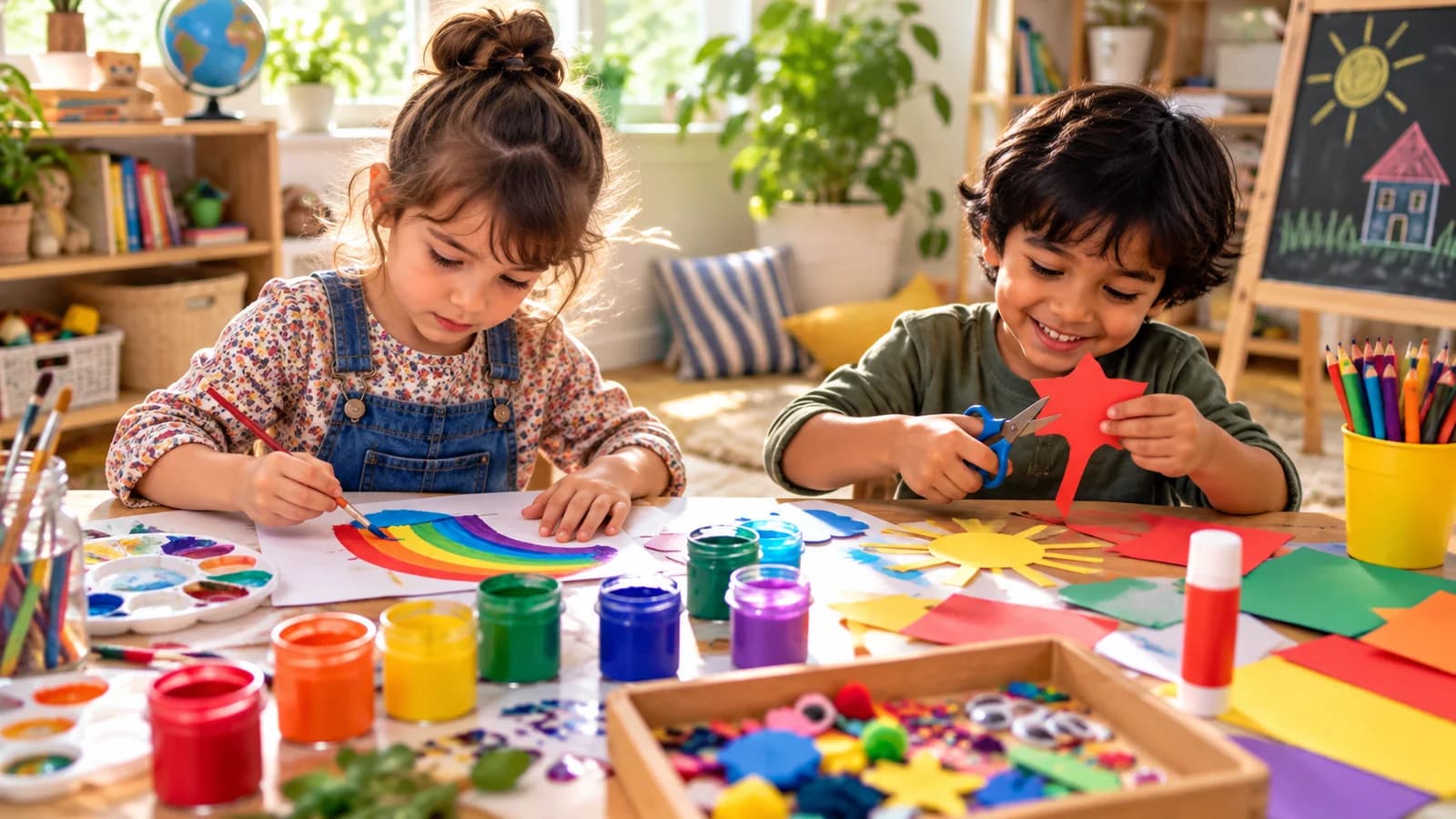
5 Creative Activities for Preschoolers at Home
Explore 5 creative activities for preschoolers, including drawing stories, building a mini city, pretend shopping, colorful patterns and imaginary animals.
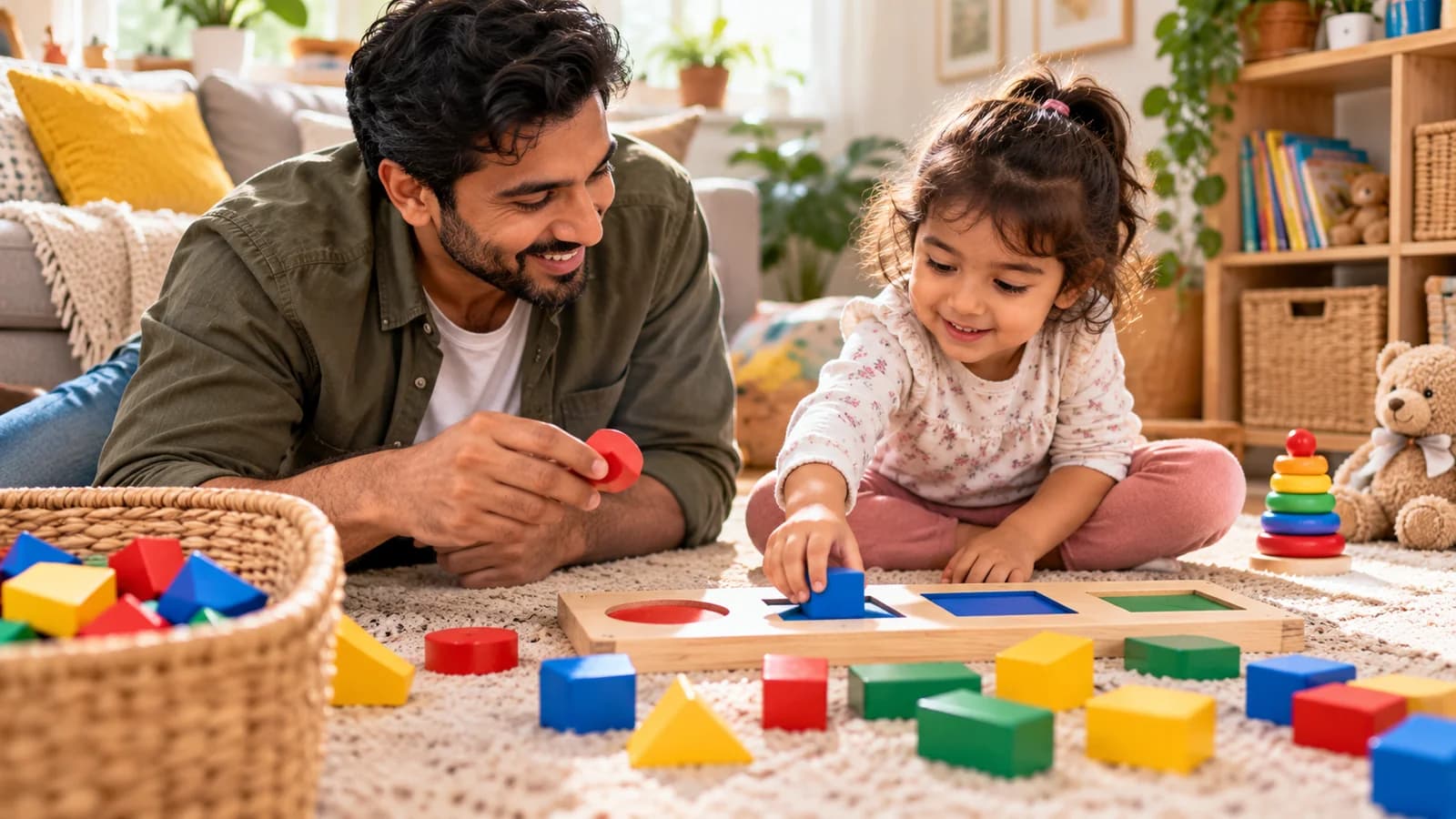
5 Fun Indoor Learning Games for Preschoolers
Discover 5 fun indoor learning games for preschoolers, including color hunts, guessing games, movement patterns, listening activities and shape searches.
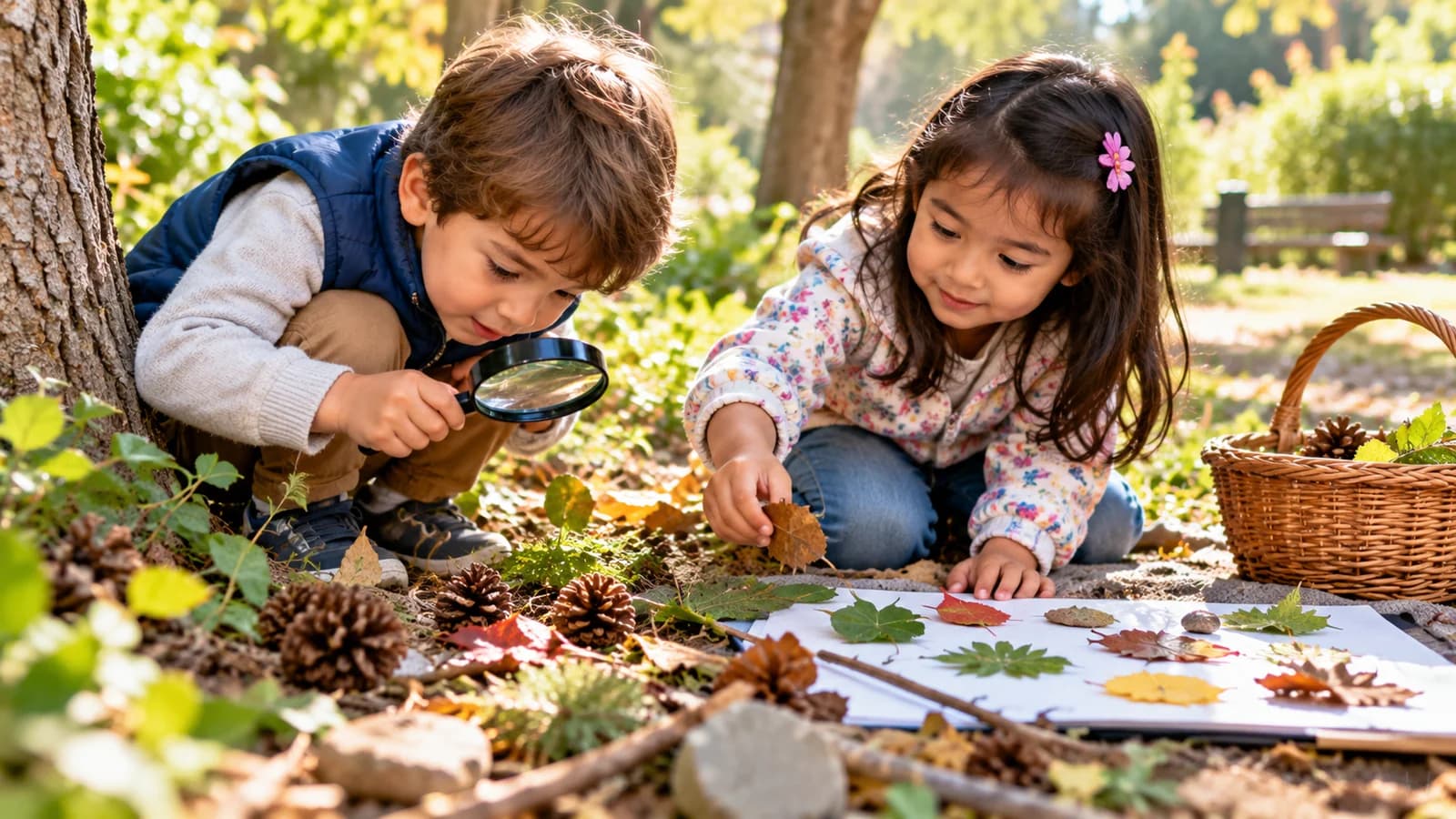
A Simple Nature Hunt for Curious Kids
Explore nature with a playful scavenger hunt that encourages children to notice colors, shapes, sounds, and outdoor discoveries.
Keep learning playful
Explore more LiaFun Learning activities designed to make practice simple, visual and enjoyable for young learners.