Make a learning toy with things you already have
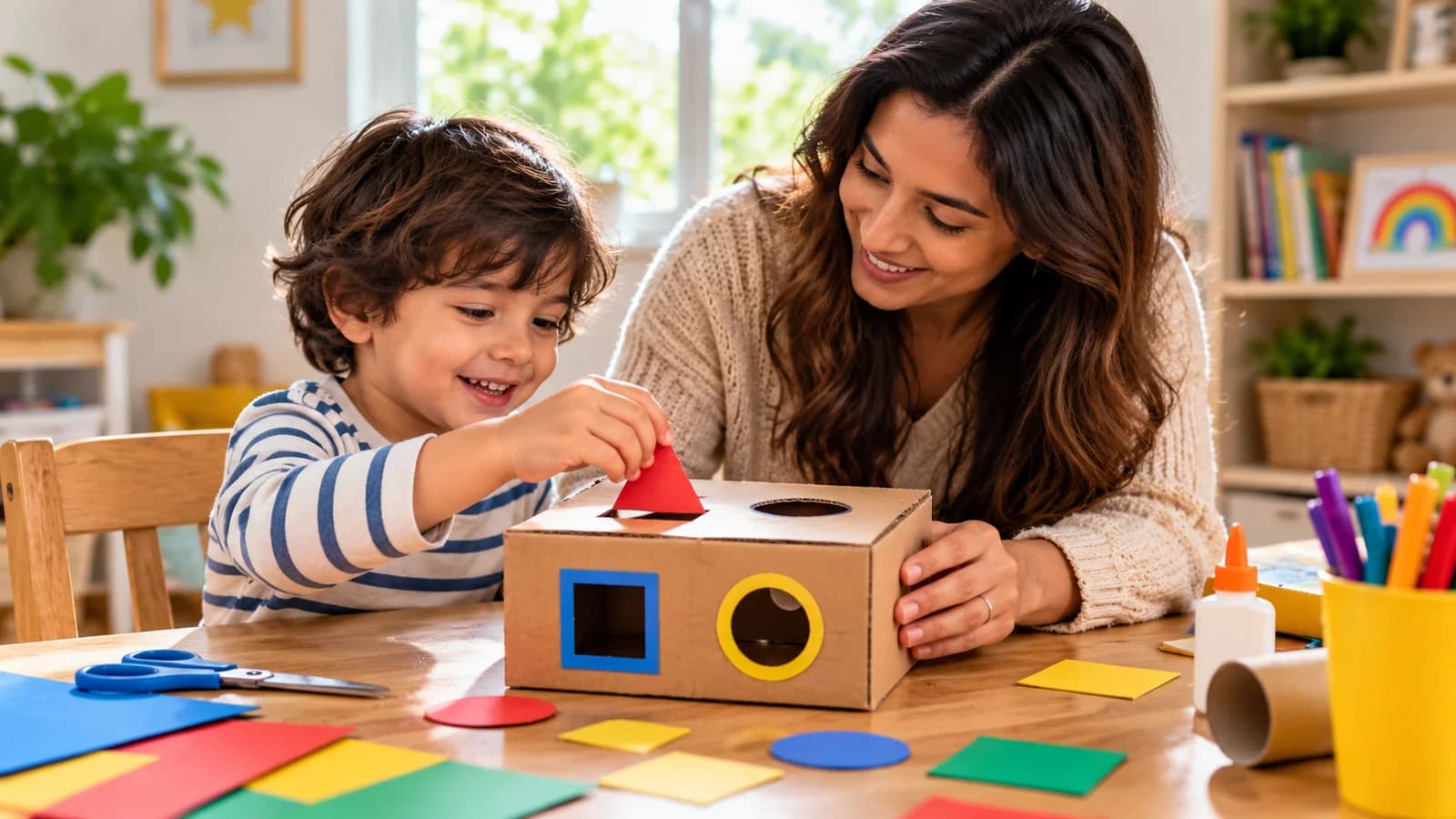
You do not need an expensive toy or a complicated craft project to create a meaningful learning activity. A few containers and large, colorful household objects can become a reusable sorting and counting game.
This simple homemade learning toy gives young children opportunities to recognize colors, compare objects, practice counting, and explain their choices through play.
What you will need
Gather a few basic materials before inviting your child to play. Choose items that are easy to handle, clean, and appropriate for your child's age.
- Three lightweight bowls or small containers.
- Several large, child-safe blocks or other colorful objects.
- Red, blue, and yellow paper.
- Washable markers or crayons.
- A clear table or floor space.
Avoid small loose pieces, sharp edges, and objects that could become choking hazards. An adult should supervise preparation and play.
Step 1: Prepare the sorting containers
Place three bowls next to each other. Put a red paper label beside the first bowl, a blue label beside the second, and a yellow label beside the third.
If you do not have colored paper, draw a large colored circle on plain paper for each bowl. The labels should be easy for your child to see.
Step 2: Introduce the objects
Place a small collection of colorful objects in the middle of the play area. Start with just a few objects so the activity feels manageable.
Pick up one object and describe it naturally. For example, you might say, 'I have a red block. Can you find the bowl with the red label?'
Step 3: Play the color sorting game
- Invite your child to choose one object.
- Ask them to notice its color.
- Find the matching color label together.
- Place the object in the corresponding bowl.
- Continue until the objects have been sorted.
- Look at the completed groups and talk about what you notice.
If three colors feel difficult, begin with two. You can introduce another color when your child is comfortable.
Step 4: Turn sorting into counting practice
Once the objects are sorted, count the items in each bowl together. Touch or move one object for each number you say.
Ask simple comparison questions such as, 'Which bowl has more blocks?' or 'Do these two bowls have the same number?'
For children who are still learning to count, focus on small groups and count slowly together.
Step 5: Add vocabulary and thinking questions
The same homemade toy can support language development. Talk about the objects while your child handles them, and invite them to describe what they notice.
- 'Can you find another blue object?'
- 'Which block is bigger?'
- 'What do these two objects have in common?'
- 'How many yellow blocks did we collect?'
- 'What else could we sort today?'
Try three easy variations
Once your child understands the basic game, change one feature to keep the activity interesting without rebuilding the toy.
- Size sorting: Group large and small objects separately.
- Shape sorting: Sort safe objects by familiar shapes.
- Mystery sorting: Let your child choose a sorting rule and explain it.
Store it for another day
Keep the bowls and labels together so you can quickly set up the activity again. Change the objects occasionally to introduce new colors, shapes, or vocabulary.
The goal is not to finish a worksheet or get every answer right. It is to create an enjoyable hands-on experience that your child can revisit.
Keep each play session short and flexible. Follow your child's interest, and stop when the activity is no longer enjoyable.
A homemade color sorting toy can turn everyday materials into meaningful play. With a few containers and child-safe objects, families can practice colors, counting, comparison, and vocabulary through one simple reusable activity.
Learn Through Play
Try a Related Learning Activity
Continue exploring this topic with a playful activity from LiaFun Learning.
Related Articles
More practical ideas from LiaFun Learning for playful learning at home.
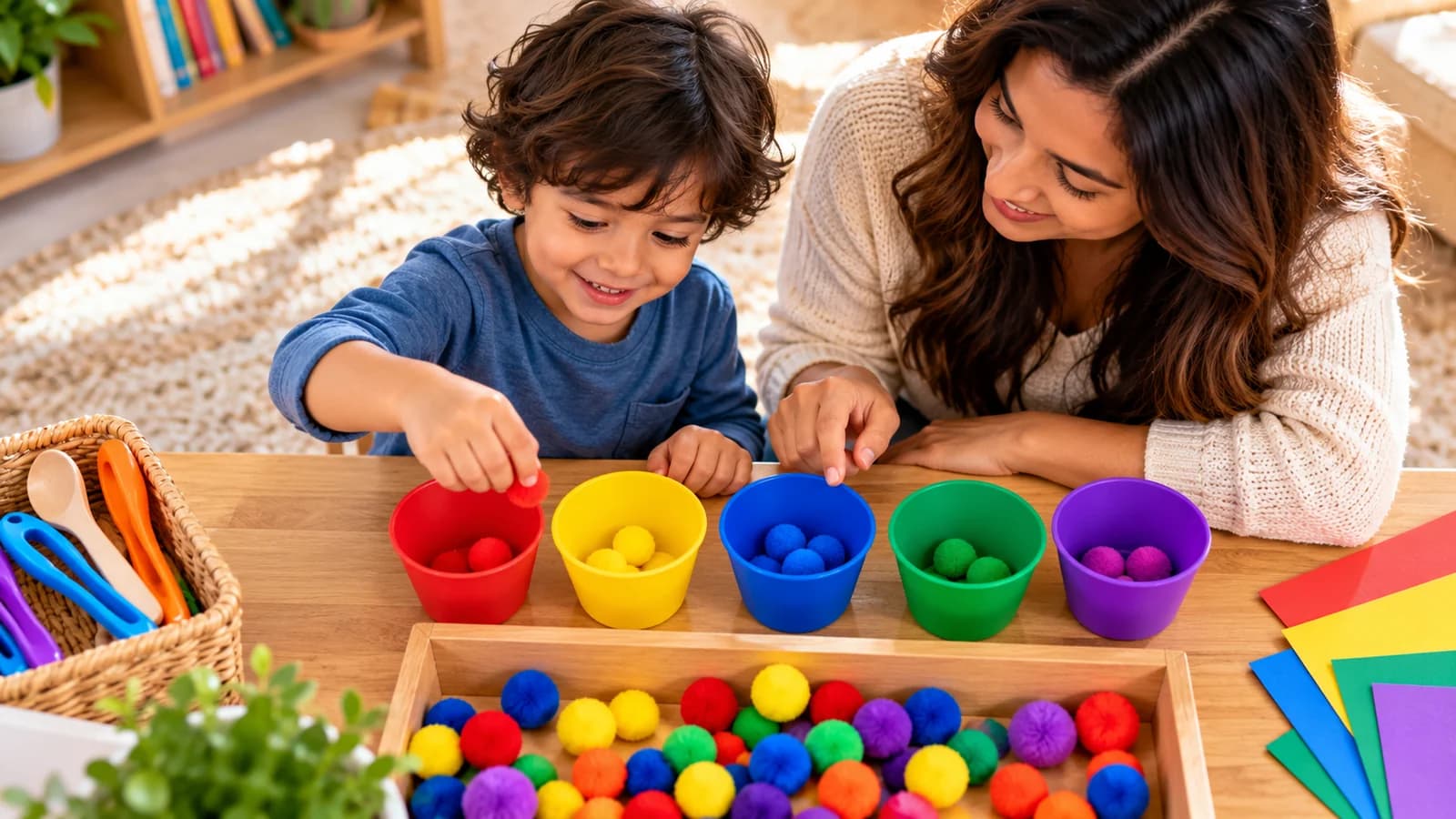
DIY Color Sorting Activity for Preschoolers
Try a simple preschool color sorting game using everyday objects. Follow easy steps to help children recognize colors, match objects and practice counting.
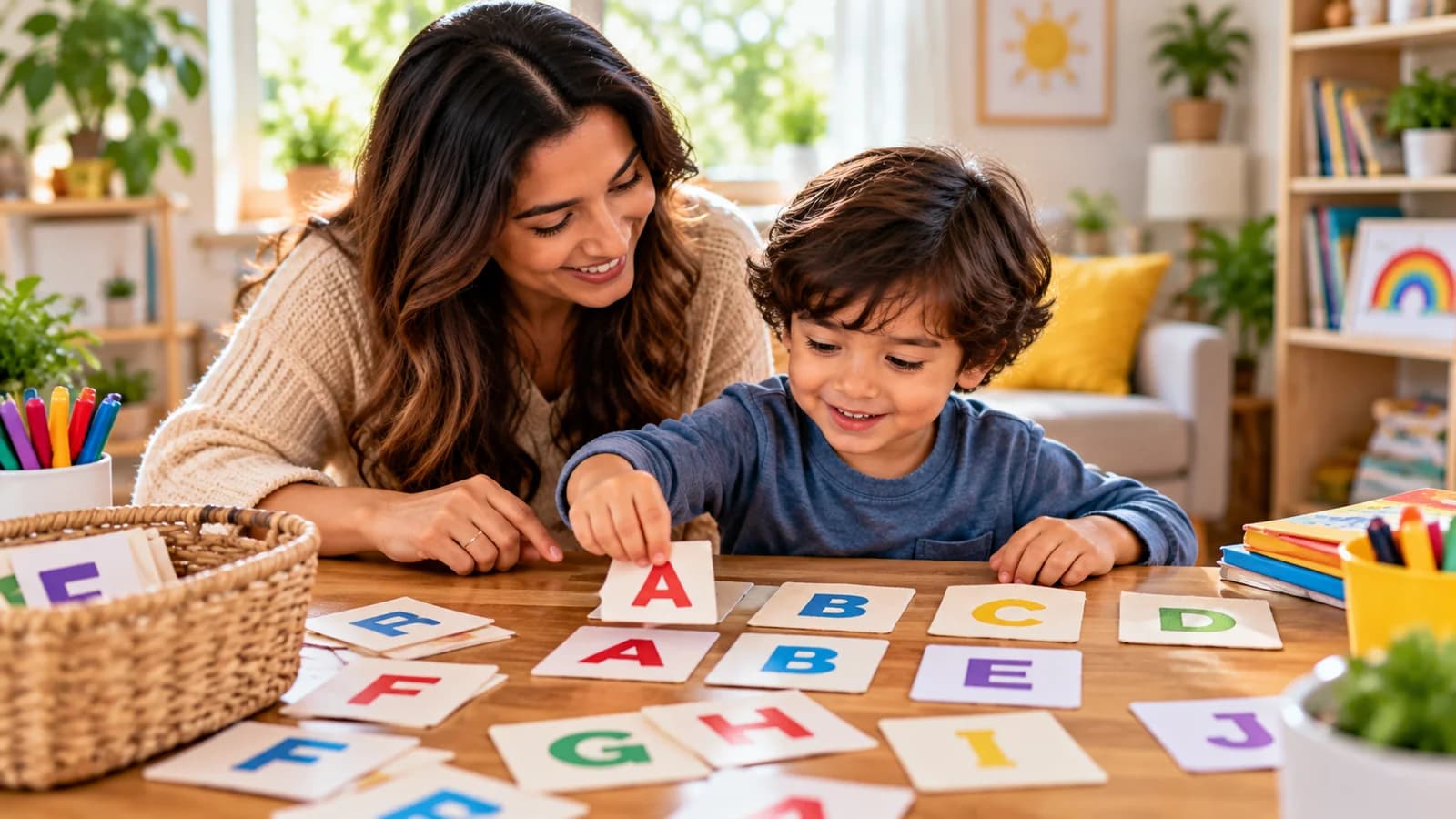
Make a Homemade Letter Matching Game
Make a fun alphabet matching game at home with simple paper cards. Help preschoolers recognize letters, match shapes and explore beginning sounds.
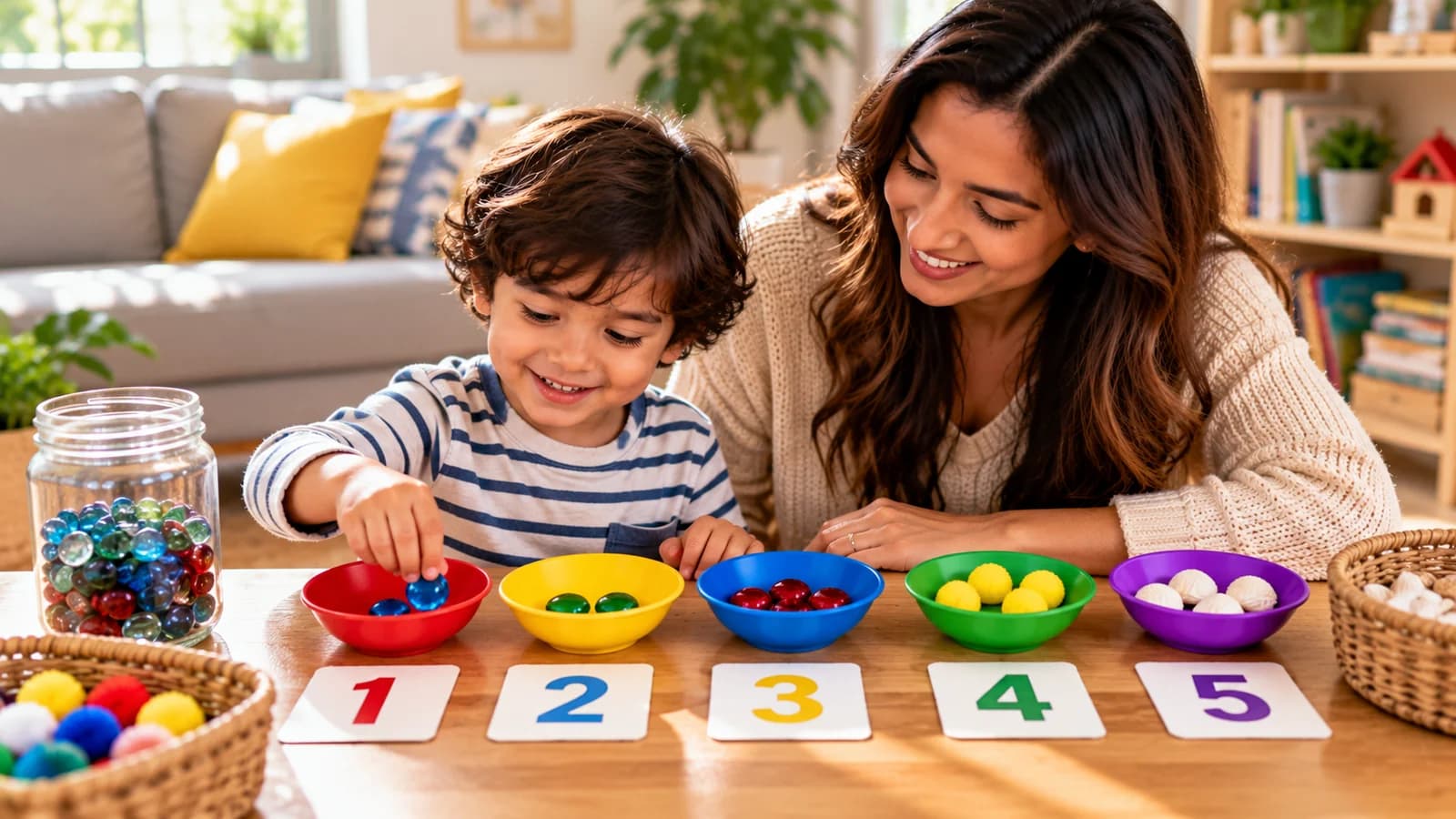
Easy Counting Activities Using Household Items
Discover easy preschool counting activities using everyday household objects. Practice numbers, quantities and early math through hands-on play.
Keep learning playful
Explore more LiaFun Learning activities designed to make practice simple, visual and enjoyable for young learners.